
 Request Appointment
 519-344-1866
 Emergency?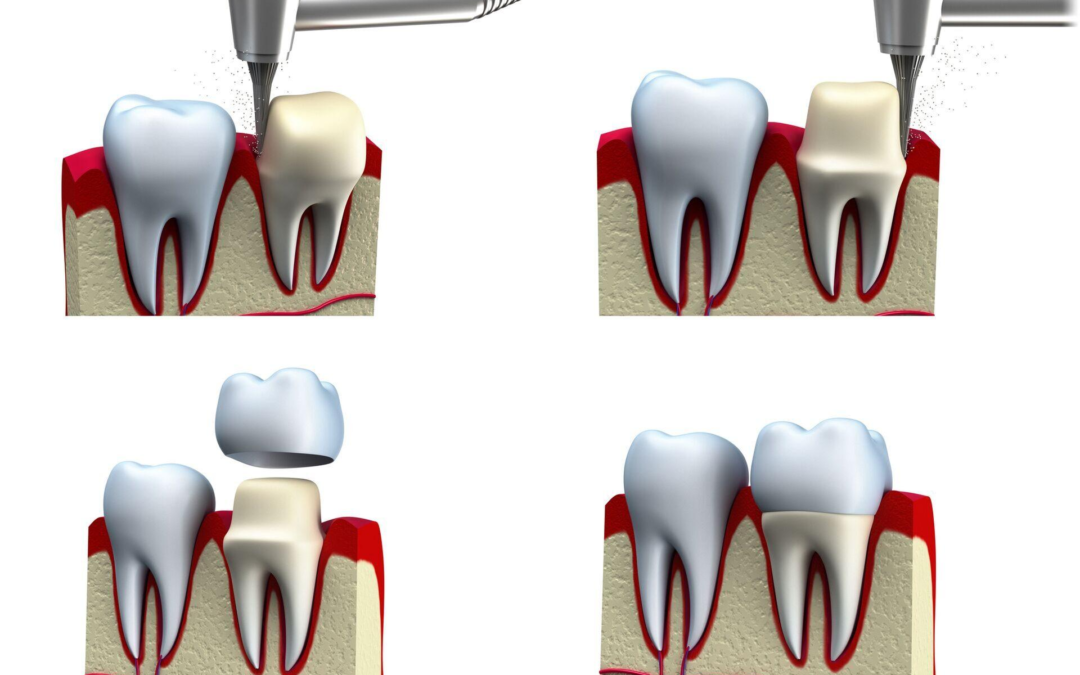
When a tooth is damaged by decay, a fracture, or everyday wear, promptly restoring it is important to help maintain its function. Depending on the extent of the damage, your dentist may recommend either a filling or a dental crown. Although both treatments are designed to restore a tooth, they serve different purposes. The recommendation is based on a careful clinical examination and the extent of healthy tooth structure remaining.
Understanding why a crown may be chosen over a filling can help you make informed decisions about your oral health.
What Is a Dental Filling?
A filling is commonly used to repair a tooth affected by a small to moderate cavity or minor damage. After removing the decayed portion of the tooth, the dentist places a filling material to restore the missing structure. When enough healthy tooth remains, a filling is often an appropriate option because it preserves more of the natural tooth.
When Is a Dental Crown Recommended?
A dental crown is a custom-made restoration that covers the entire visible portion of a tooth. It is generally recommended when a tooth has lost a significant amount of its structure and requires additional protection.
A crown may be considered when:
- A large cavity has weakened the tooth.
- A tooth has a crack or fracture.
- A tooth contains a very large filling that no longer provides adequate support.
- A tooth has undergone root canal treatment.
- The tooth shows extensive wear from grinding or other factors.
By covering the tooth, a crown may help protect it from further damage during normal chewing.
Why a Filling May Not Always Be Enough
While fillings are effective for many situations, they rely on the remaining tooth structure for support. If too much of the tooth has been lost, a filling may not provide enough strength to withstand everyday biting forces.
In these cases, a crown distributes chewing pressure across the entire tooth, helping reduce the risk of additional fractures or restoration failure. Your dentist will evaluate the condition of the tooth before recommending the most appropriate treatment.
Can Every Damaged Tooth Be Restored?
Unfortunately, not every damaged tooth can be preserved. If decay, fracture, or infection is too extensive, extraction may be discussed as one of the available treatment options. After healing, replacement options may be considered based on your individual needs.
For some patients, dental implants in Sarnia may be an option to replace a missing tooth. Your dentist will explain the available choices, including their benefits and limitations, before developing a treatment plan.
The Importance of Early Treatment
Small cavities and minor fractures often become more extensive when treatment is delayed. Regular dental examinations allow dentists to identify problems before they require more complex procedures. Seeking care promptly when you notice tooth pain, sensitivity, or visible damage may help preserve more of your natural tooth structure.
Restore Your Oral Health with Sarnia Dental!
Whether you need a filling, a dental crown, or information about tooth replacement options such as dental implants in Sarnia, our team at Sarnia Dental provides comprehensive examinations and personalized treatment recommendations based on your oral health needs. Every treatment plan is developed with careful consideration of your individual situation and long-term dental health.
Recent Comments