
 Request Appointment
 519-344-1866
 Emergency?
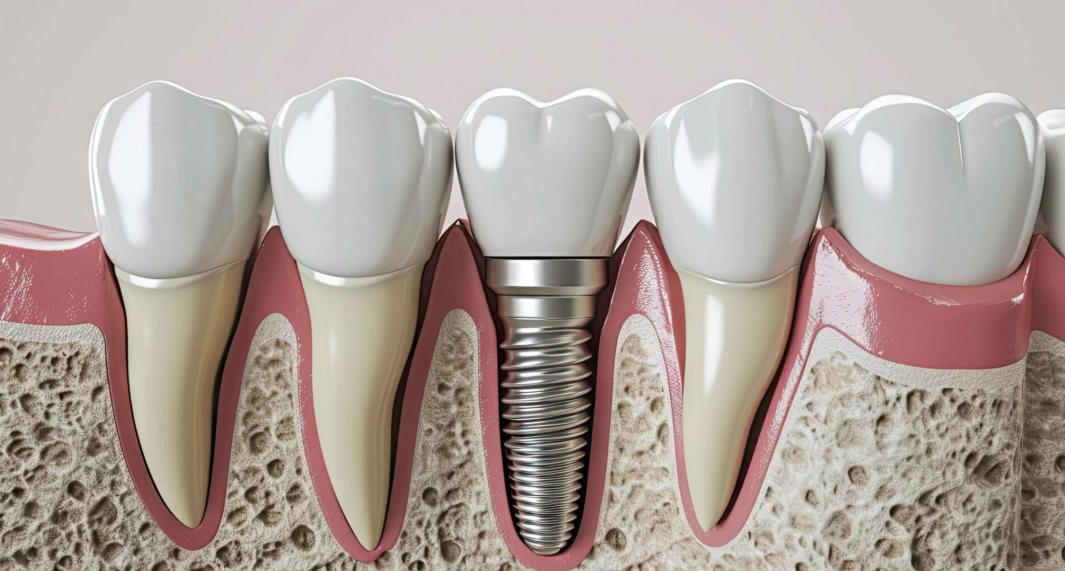
Bone loss is a common concern for people considering tooth replacement. Since dental implants are placed into the jawbone, it is natural to wonder whether an implant is still possible when the bone has changed after tooth loss, infection, or another condition.
The answer depends on the amount and location of bone available, along with the condition of the gums and surrounding tissues. A dentist in Sarnia can assess these factors and discuss whether an implant or another replacement option may be appropriate.
Why Bone Matters for Dental Implants
A dental implant is placed into the jawbone and acts as a replacement for the root of a missing tooth. After placement, the surrounding bone needs to heal around the implant to provide support.
When a tooth has been missing for some time, the jawbone in that area may gradually become thinner or shorter. Previous infection, trauma, gum disease, or other oral health concerns may also affect the available bone.
This does not automatically mean that implants are impossible. Instead, additional assessment may be needed before treatment is planned.
What Happens When There Is Not Enough Bone?
If there is insufficient bone in the proposed implant area, a dentist may discuss bone grafting as one possible step before implant placement. A bone graft adds material to an area where additional bone volume may be needed.
The graft then requires a period of healing before the area can be reassessed. The timing varies according to the procedure and individual healing response.
Sarnia Dental Care states that some patients may require a bone graft before receiving implants when there is not enough bone to provide suitable support.
Does Everyone With Bone Loss Need a Bone Graft?
No. The need for grafting cannot be determined simply by knowing that bone loss has occurred.
The dental team may evaluate the width and height of the available bone, the location of important anatomical structures, gum health, and the condition of nearby teeth. Dental imaging may also be used to understand the area being considered for treatment.
After the assessment, the dentist can explain whether additional procedures may be appropriate or whether another treatment approach should be considered.
What Other Factors Affect Implant Planning?
Bone is only one part of the assessment. The dentist may also consider your overall oral health, gum condition, bite, medical history, smoking habits, and the location of the missing tooth.
Good communication is important before treatment. Patients should understand the proposed procedure, expected stages, possible risks, alternatives, and any factors that may affect treatment.
For patients researching dental implants in Sarnia, an assessment provides an opportunity to discuss these factors rather than relying on general information about implant treatment.
What If Implants Are Not Suitable?
Implants are not the only way to replace missing teeth. Depending on the individual situation, a dentist may discuss alternatives such as a dental bridge or partial denture.
The appropriate option depends on the number of missing teeth, surrounding structures, oral health, functional needs, and personal circumstances.
There is no single replacement method that applies to every patient.
Discuss Your Implant Options With Sarnia Dental!
Sarnia Dental Care provides dental implant treatment and describes bone grafting as one possible part of implant planning when additional bone support is needed. We are located at 861 Exmouth Street in Sarnia. If you are considering dental implants in Sarnia, our dental team can assess your oral health and discuss treatment options based on your individual circumstances.
Recent Comments